HVAC Services in Johnson City, TN
Johnson City has experienced a 7.8% population growth over the past five years, indicating rising demand for residential HVAC services. The city’s median home age is approximately 1982, creating a three-tier HVAC demand pattern.
Aging pre-1970 systems need full replacement, 1970–1990 homes have degraded crawlspace ductwork, and post-1990 builds face attic duct heat gain. With a homeownership rate of 49.7% and rental rate of 50.3%, Johnson City sustains steady demand for both emergency repair and deferred-maintenance system replacements.
HVAC demand is further driven by East Tennessee State University (ETSU), which contributes to high rental-property turnover and a consistent flow of repair calls on aging rental stock. The city’s elevation of 1,627 feet and surrounding ridgelines create localized cold-air pooling that pushes HVAC equipment to perform under conditions 5–10°F colder than regional forecasts suggest.
Top Rated HVAC Contractor in Johnson City
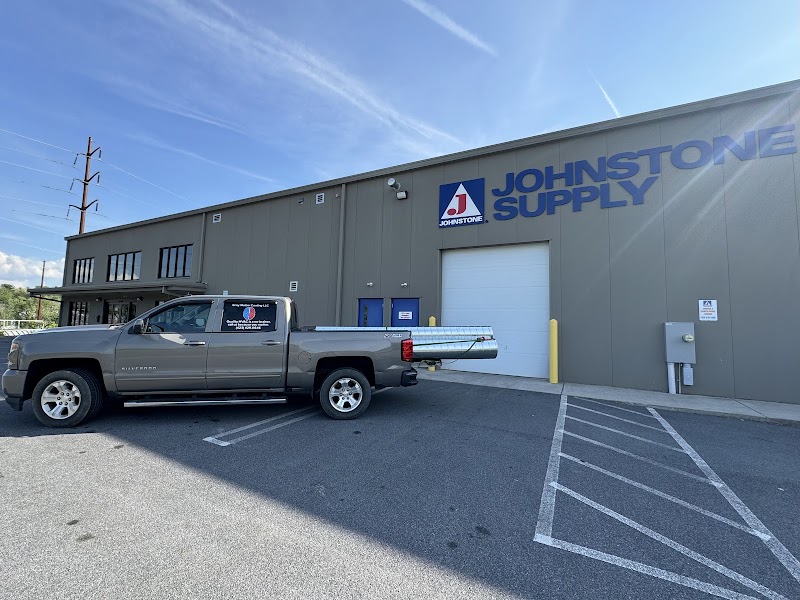
Gray Matter Cooling LLC
Offering
Services
Working hours
IntegrityFirst HVAC
Contact
Area Served:
Offering
Services
Working hours
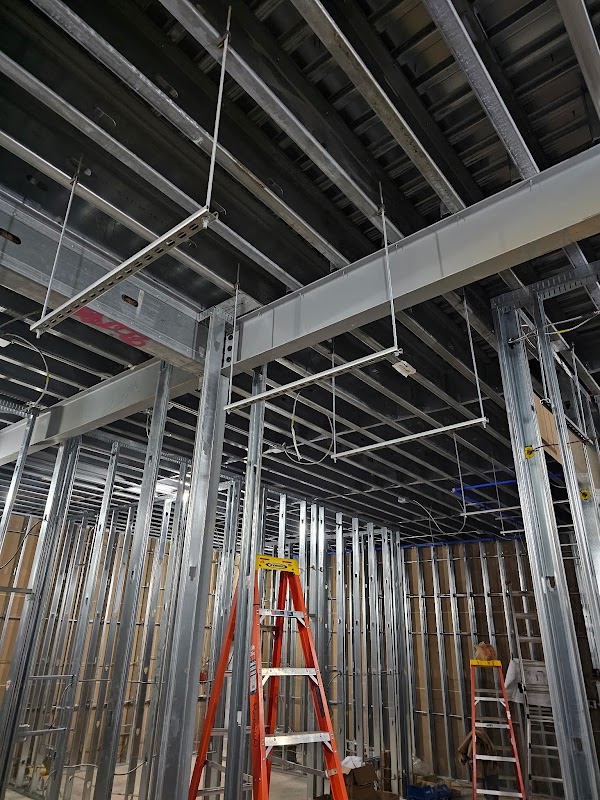
True North HVAC
Contact
Area Served:
Offering
Services
Working hours
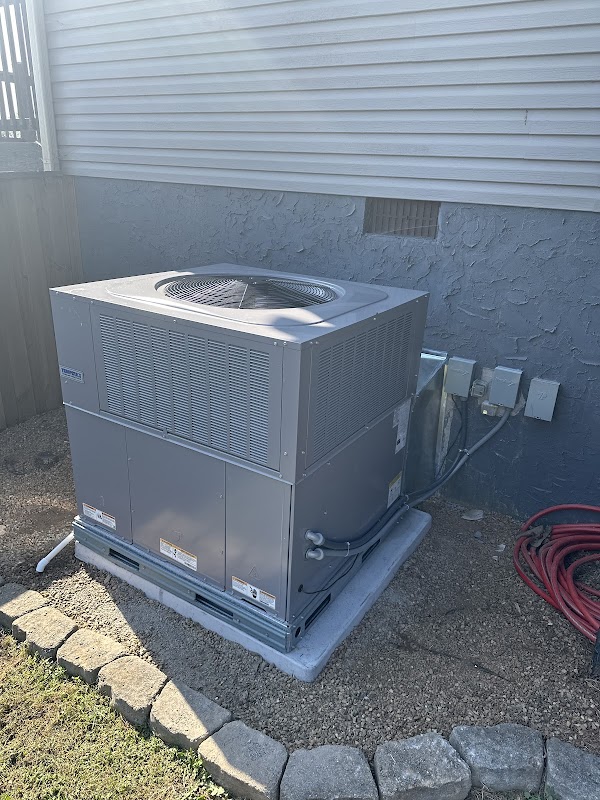
HEP is on the way
Contact
Area Served:
Offering
Services
Working hours
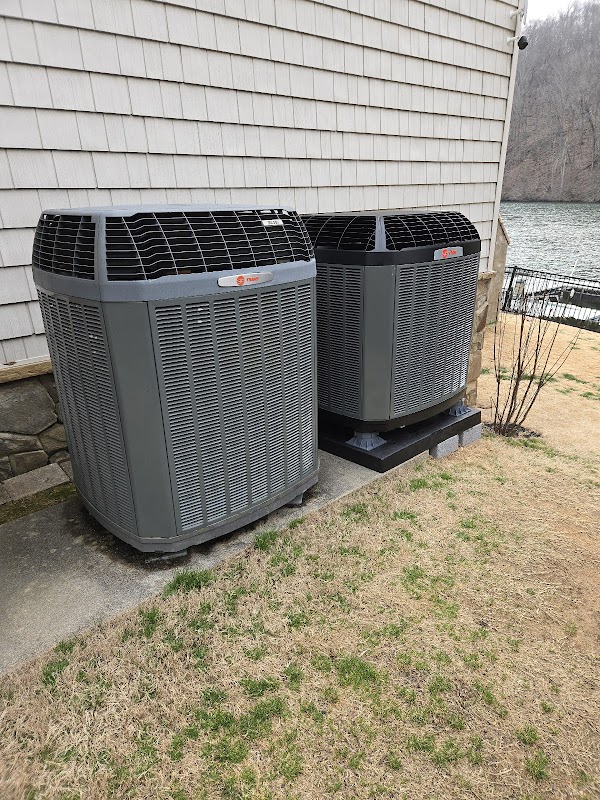
Lane Thompson Heating & Cooling
Contact
Area Served:
Offering
Services
Working hours
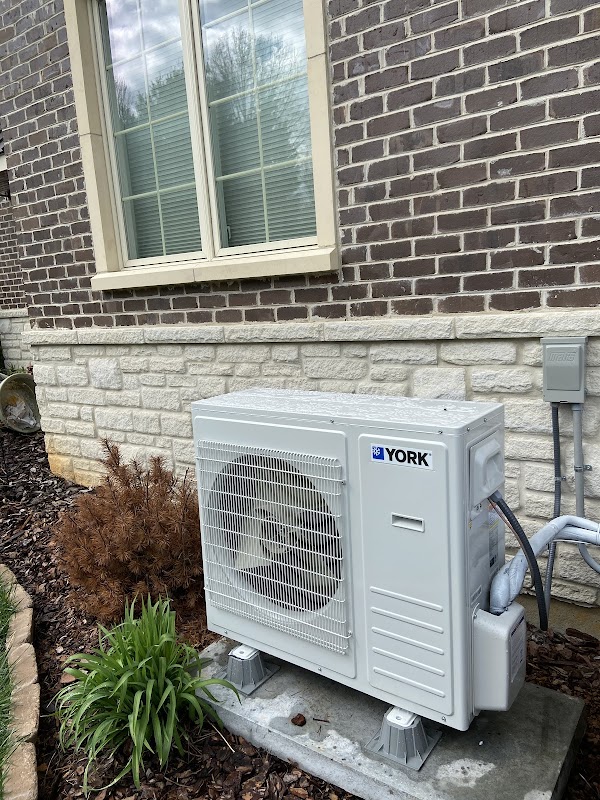
Newman Air
Contact
Area Served:
Offering
Services
Working hours
Tri-City Air Conditioning Co
Contact
Area Served:
Offering
Services
Working hours

AAA+ HVACR Services llc
Contact
Area Served:
Offering
Services
Working hours
Hedges Heating & Air
Contact
Area Served:
Offering
Services
Working hours
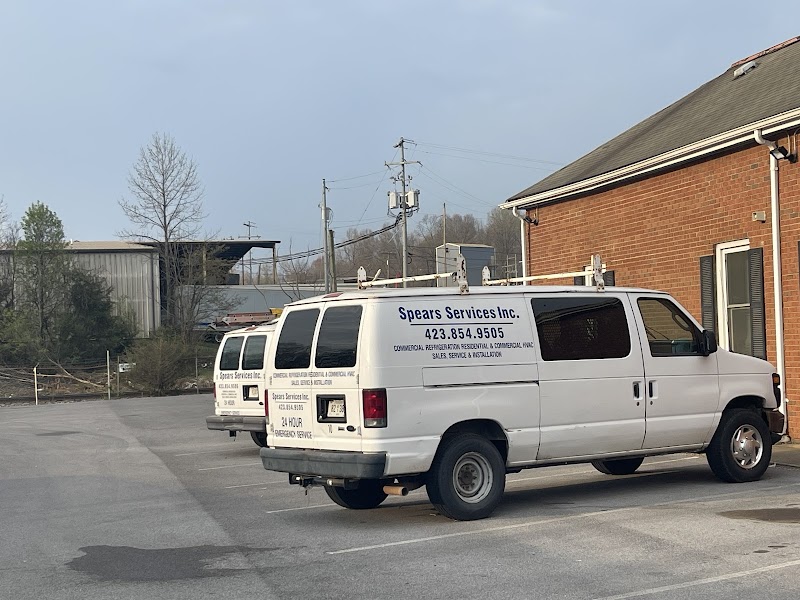
Spears Services, Inc Refrigeration and HVAC
Contact
Area Served:
Offering
Services
Working hours
Barry Heating & Air Conditioning LLC
Contact
Area Served:
Offering
Services
Working hours
Johnson City Heating & Air LLC
Contact
Area Served:
Offering
Services
Working hours
How Johnson City’s Climate Impacts Your HVAC System
Johnson City is in DOE Climate Zone 4A (Mixed – Humid), where average summer temperatures reach 82°F and winter averages are 32°F. The city experiences 1,156 cooling degree days (CDD) and 3,776 heating degree days (HDD), indicating a balanced but demanding seasonal load on HVAC systems.
Average humidity is 71%, contributing to persistent indoor air quality challenges and increased latent cooling loads during humid summers. Appalachian cold-air pooling occurs when dense, frigid air drains off ridgelines like Buffalo Mountain and settles into the valley basin during late-winter cold snaps.
This cold-air pooling pushes localized temperatures 5–10°F below regional forecasts, forcing heat pumps into sustained defrost cycling and auxiliary electric heat into prolonged operation. Extended defrost cycling accelerates reversing valve wear and increases energy consumption, making cold-climate-rated heat pumps and properly sized auxiliary heat essential for reliable winter performance.
Neighborhood-Specific HVAC Challenges in Johnson City
Downtown / Tipton Street Historic Core (ZIP 37601)
Homes and buildings in this area were constructed from the late 19th century through the 1960s, featuring masonry construction and balloon-frame interiors. Concealed duct runs are nearly impossible without major wall demolition due to plaster ceilings and tight interior layouts.
Most buildings either lack central HVAC or rely on outdated window units and baseboards. Ductless mini-splits are the most viable modern upgrade for these historic properties.
Exterior HVAC modifications on contributing structures in the National Register Historic District may require a Certificate of Appropriateness from the City’s Planning and Development Services Department.
ETSU / Seminole Woods / Cherokee (ZIP 37604)
This area consists primarily of 1950s–1970s ranch and raised-ranch homes with high student and young-professional renter concentration. Absentee-owned rental properties often operate HVAC systems well beyond their serviceable life, leading to frequent emergency repairs.
Unsealed and rodent-damaged flex duct in unencapsulated crawlspaces is the dominant failure mode, reducing airflow efficiency. High terrain exposure to winter wind and dense tree canopy blocking summer airflow increases mechanical stress on outdoor units, accelerating capacitor and contactor wear.
Indian Ridge / Knob Creek / West Side (ZIP 37604)
Homes were built primarily in the 1970s–1980s as split-level and colonial-style residences with established middle-class occupancy. Systems from this era used low-SEER single-stage equipment and minimal duct insulation, now nearing or exceeding end-of-life.
Unencapsulated crawlspaces allow moisture migration into air handler cabinets, corroding secondary heat exchangers and evaporator coils. Persistent biological growth in drain pans and coil faces requires more frequent cleaning and IAQ interventions compared to slab-foundation homes.
Boone’s Creek / Lake Ridge (ZIP 37615)
This is the fastest-growing residential zone, with housing from the 1960s–2010s, including newer slab-on-grade subdivisions. Attic duct systems in post-1990 homes face extreme radiant heat gain, with attic temperatures exceeding 140°F on peak summer days.
This causes duct sweating, premature flex duct liner deterioration, and latent cooling inefficiencies. Cold-air pooling events lead to longer-than-expected auxiliary heat runtimes, increasing energy costs and strip heater wear despite modern equipment.
Mountain Home / West Oakland (ZIP 37604)
This area contains some of Johnson City’s oldest homes, from the 1940s–1960s, including craftsman bungalows and early 1900s cottages. Many homes were retrofitted with duct systems running through uninsulated floor cavities or exterior-wall chases, leading to efficiency losses.
Proximity to the Watauga River-fed Boone Lake drainage means low-lying streets face occasional groundwater intrusion into basement mechanical spaces. Furnaces and air handlers installed at floor level in these areas are at direct risk during heavy rain events.
South Johnson City / Knob Creek Road Corridor (ZIP 37604)
This transitional area includes 1960s–1980s ranch and split-level homes, with some manufactured housing. Jurisdictional confusion exists, as some parcels fall under Washington County permitting rather than Johnson City, requiring address-specific verification.
Manufactured homes in this zone use belly-wrap and crossover duct systems that fail differently than site-built ductwork. Contractors must use specialized replacement approaches not applicable to conventional residential systems.
HVAC Permits and Inspections in Johnson City
A permit is required for all HVAC equipment replacements and new installations within Johnson City’s corporate limits. Permit fees are calculated based on project valuation and are not a flat fee. No public fee schedule is available.
Contact the Johnson City Building Division at (423) 434-6047 to confirm current permit costs. The permit office is the City of Johnson City Development Services Department, Building Division, located at 601 E Main St, Johnson City, TN 37601.
Website: Johnson City Building Codes
Properties in unincorporated areas may fall under Washington, Carter, or Sullivan County jurisdiction. Contractors must verify by address. Standard inspections include mechanical rough-in and mechanical final inspections.
Properties in the Downtown Historic District may require compliance with Historic Preservation Guidelines before permit issuance. The city enforces the 2018 IMC, IRC, IFGC, IECC, and NEC 2017, as locally amended.
HVAC installation, maintenance, and spare part costs by city: Cost Calculator
Seasonal HVAC Maintenance Guide for Johnson City Homeowners
Spring: Schedule a heat pump tune-up before cooling season begins to ensure defrost cycle functionality and refrigerant charge are optimized for humid conditions.
Summer: Clean condenser coils regularly due to high pollen and humidity. Check attic duct integrity to prevent sweat-related liner degradation.
Fall: Inspect auxiliary electric heat strips and reversing valves, critical for handling cold-air pooling events.
Winter: Monitor for ice buildup on heat pump coils. Ensure emergency heat is functional during extended cold snaps.
Year-round: Address crawlspace moisture with encapsulation to prevent evaporator coil biofouling and duct corrosion.
HVAC Rebates and Incentives in Johnson City
| Program | Utility | Eligible Equipment | Rebate Amount | Notes |
|---|---|---|---|---|
| TVA EnergyRight Residential Heat Pump Rebate | BrightRidge / TVA | Air-source heat pumps (15.0+ SEER2), mini-splits, geothermal | $500–$1,500 per system | Must replace primary electric heat; only QCN contractors qualify |
| TVA EnergyRight HVAC Tune-Up Rebate | BrightRidge / TVA | Tune-up of existing heat pump or AC | $50 per system | QCN contractor required; homeowner claims via email |
| TVA EnergyRight Duct Sealing Rebate | BrightRidge / TVA | Duct sealing on forced-air systems | $300 per project | Stackable with heat pump rebate; QCN required |
| TVA EnergyRight Home Uplift Program | BrightRidge / TVA | HVAC, insulation, water heaters | Up to ~$10,000 (income-qualified) | No-cost upgrades; apply via BrightRidge at (888) 986-7262 |
The TVA EnergyRight Home Uplift Program provides comprehensive energy upgrades at no cost to income-qualified homeowners, including HVAC replacements. Apply directly through BrightRidge or call (888) 986-7262.
All TVA EnergyRight rebates require installation by a TVA Quality Contractor Network (QCN) member. The contractor submits the rebate on the homeowner’s behalf. Replacing a gas furnace does not qualify for the heat pump rebate, which is only available when replacing a primary electric heating source.
HVAC for Johnson City’s Historic and Flood-Prone Areas
The Downtown Johnson City Historic District (East Market, East Main, Tipton St) is governed by local preservation guidelines under the Tennessee Historical Commission. Exterior HVAC modifications, such as condenser placement, mini-split line sets, or roof-mounted units, on contributing structures may require a Certificate of Appropriateness.
Contractors should consult the Planning and Development Services Department before installation. FEMA-designated Special Flood Hazard Areas exist along Sinking Creek, Brush Creek, and portions of the Boone Lake arm of the Watauga River.
Outdoor HVAC equipment in low-lying areas near these drainages must be elevated above base flood elevation per NFIP and local floodplain ordinance. Mechanical rooms in basements or crawlspaces in flood-prone zones should be assessed for groundwater intrusion risk during heavy rain events.
Frequently Asked Questions
What are the permit and inspection requirements for HVAC in Johnson City?
A permit is required for all HVAC equipment replacements and new installations within Johnson City’s corporate limits. Standard inspections include mechanical rough-in and mechanical final inspections. Properties in unincorporated areas may fall under Washington, Carter, or Sullivan County jurisdiction, requiring verification by address.
What utility rebates are available for HVAC in Johnson City?
The TVA EnergyRight program offers several rebates through BrightRidge, including $500-$1,500 for qualifying air-source heat pumps and $50 for HVAC tune-ups. The Home Uplift Program provides comprehensive energy upgrades, including HVAC replacements, at no cost to income-qualified homeowners. All rebates require installation by a TVA Quality Contractor Network member.
What HVAC maintenance should I do each season in Johnson City?
Spring maintenance should include a heat pump tune-up to optimize it for humid conditions. Summer requires cleaning condenser coils and checking attic duct integrity. Fall is for inspecting auxiliary heat strips and reversing valves for cold-air pooling events. Winter involves monitoring for ice buildup on heat pump coils and ensuring emergency heat is functional.
How do local climate conditions in Johnson City affect HVAC equipment selection?
Johnson City’s climate includes cold-air pooling that pushes temperatures 5–10°F below regional forecasts, forcing heat pumps into sustained defrost cycling. This makes cold-climate-rated heat pumps and properly sized auxiliary heat essential for reliable winter performance. The city’s 71% average humidity also increases latent cooling loads during summers.